Curatorial text
Anima
Mundi
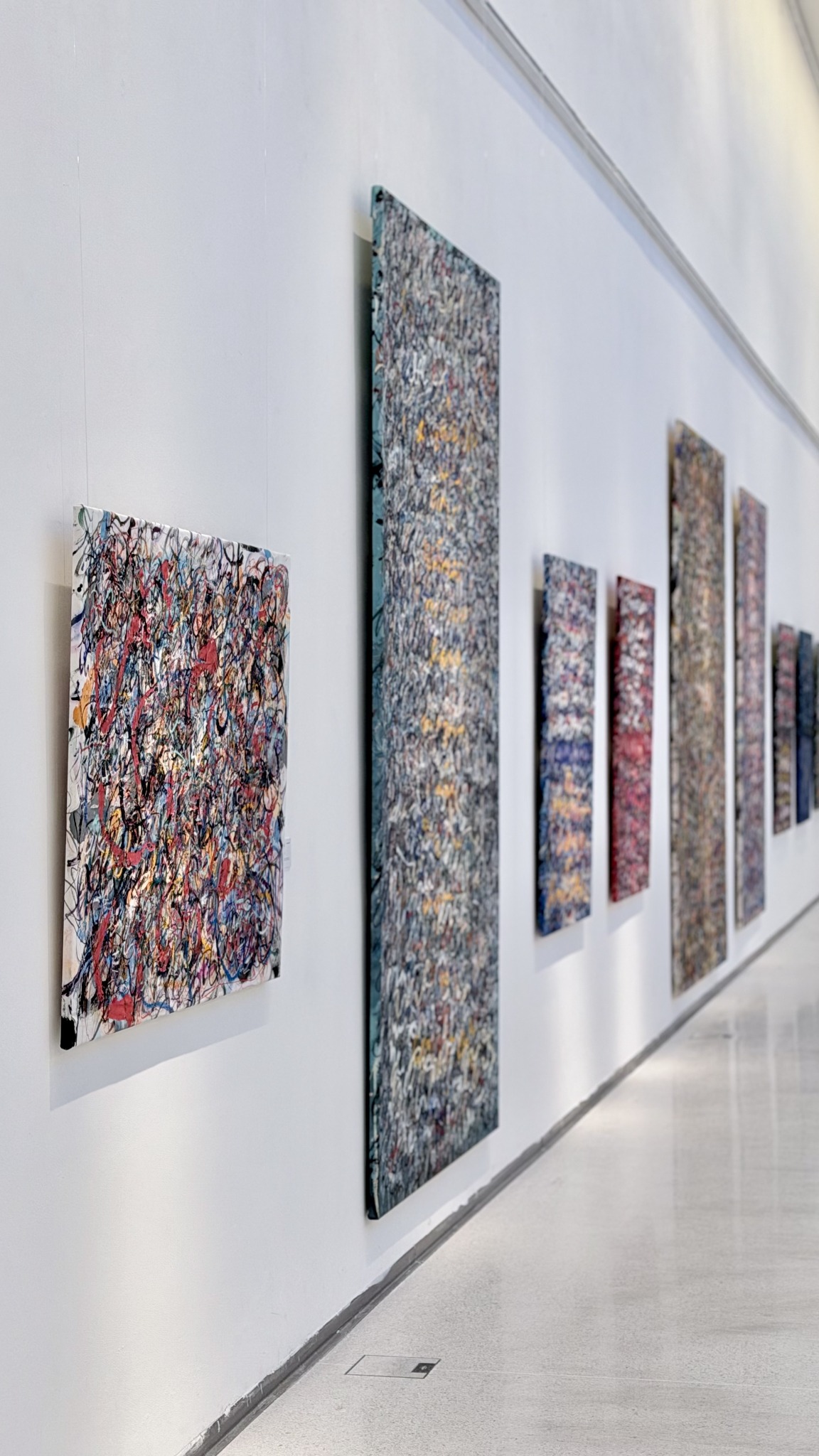
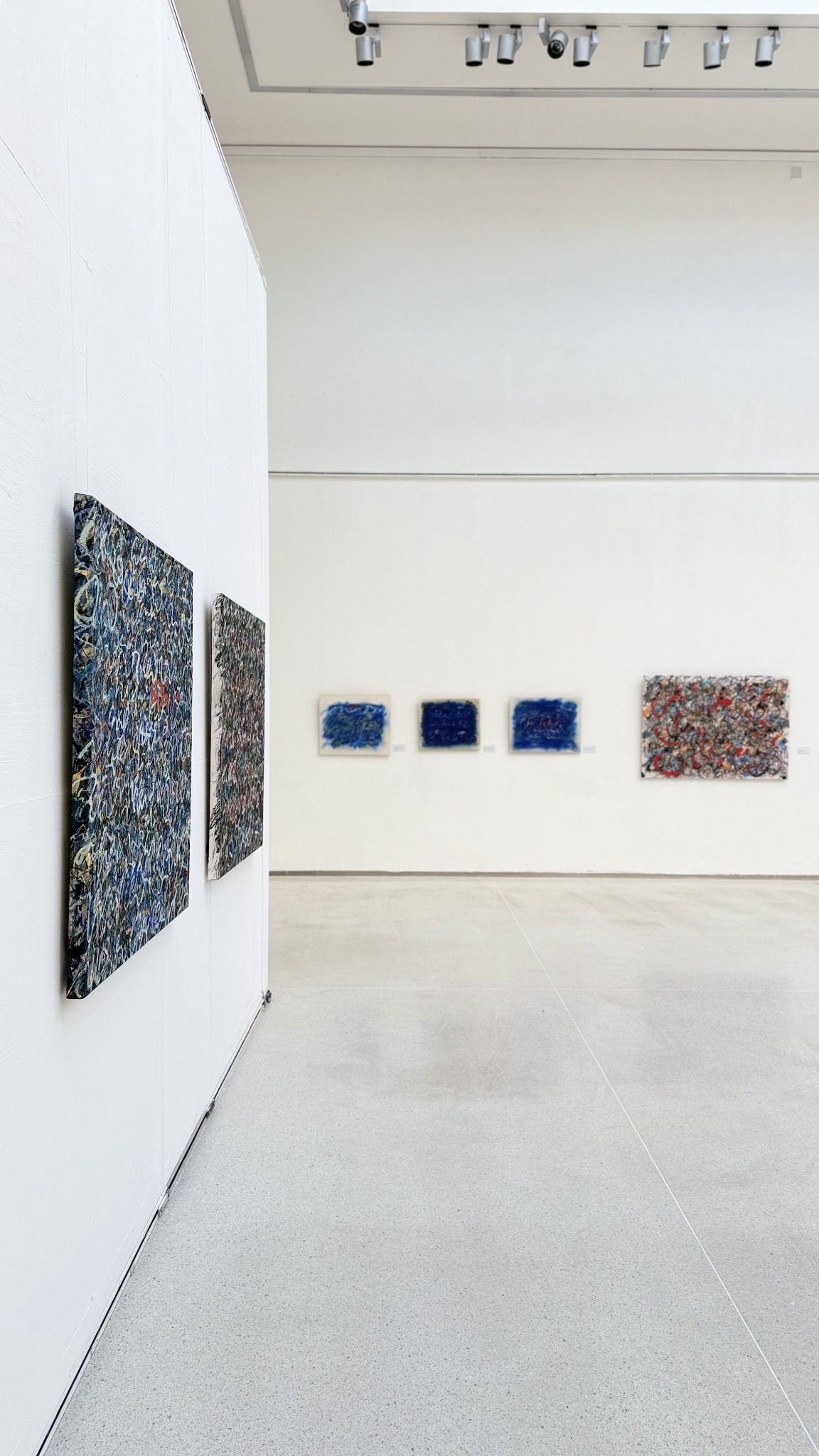
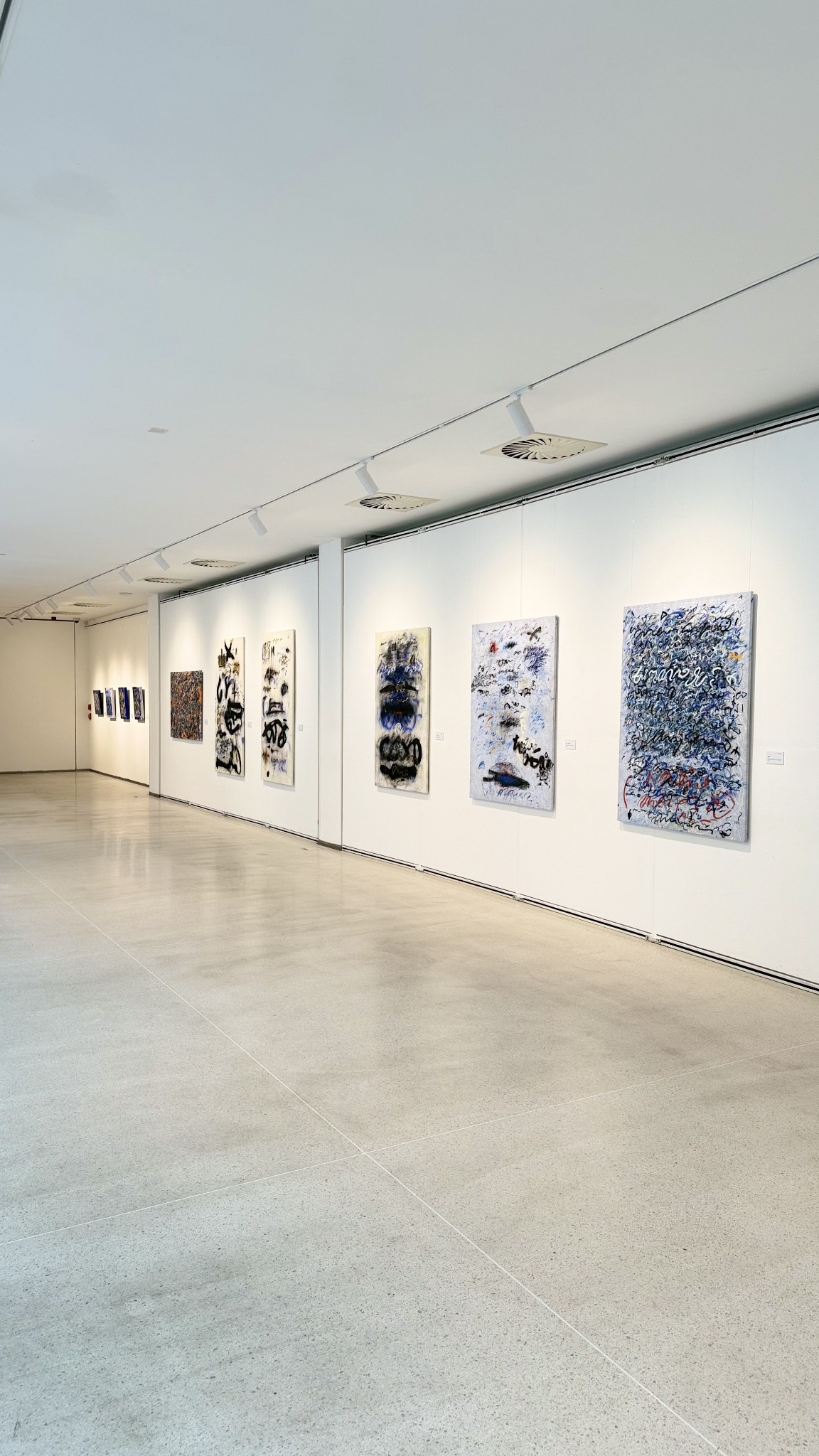
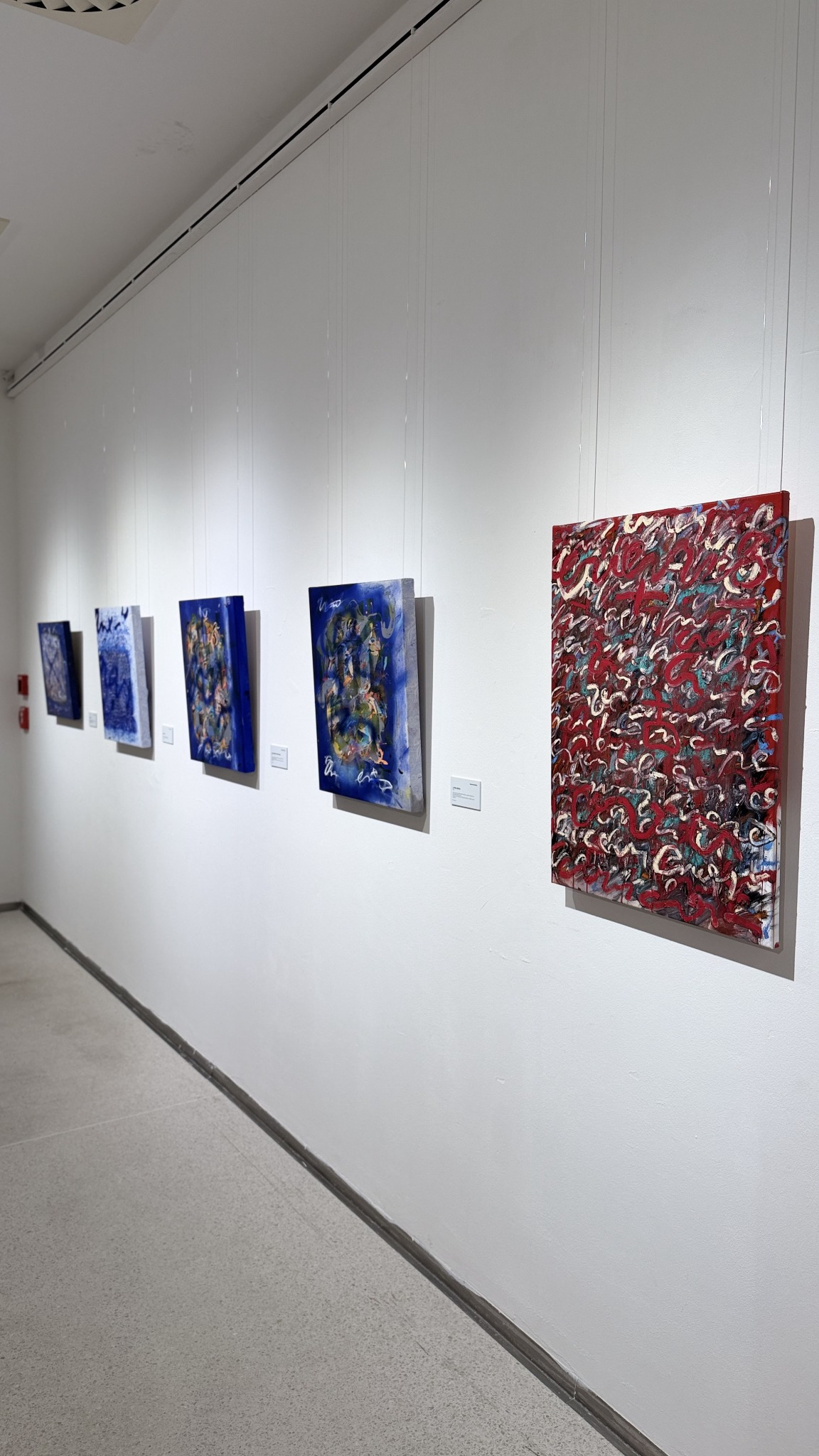
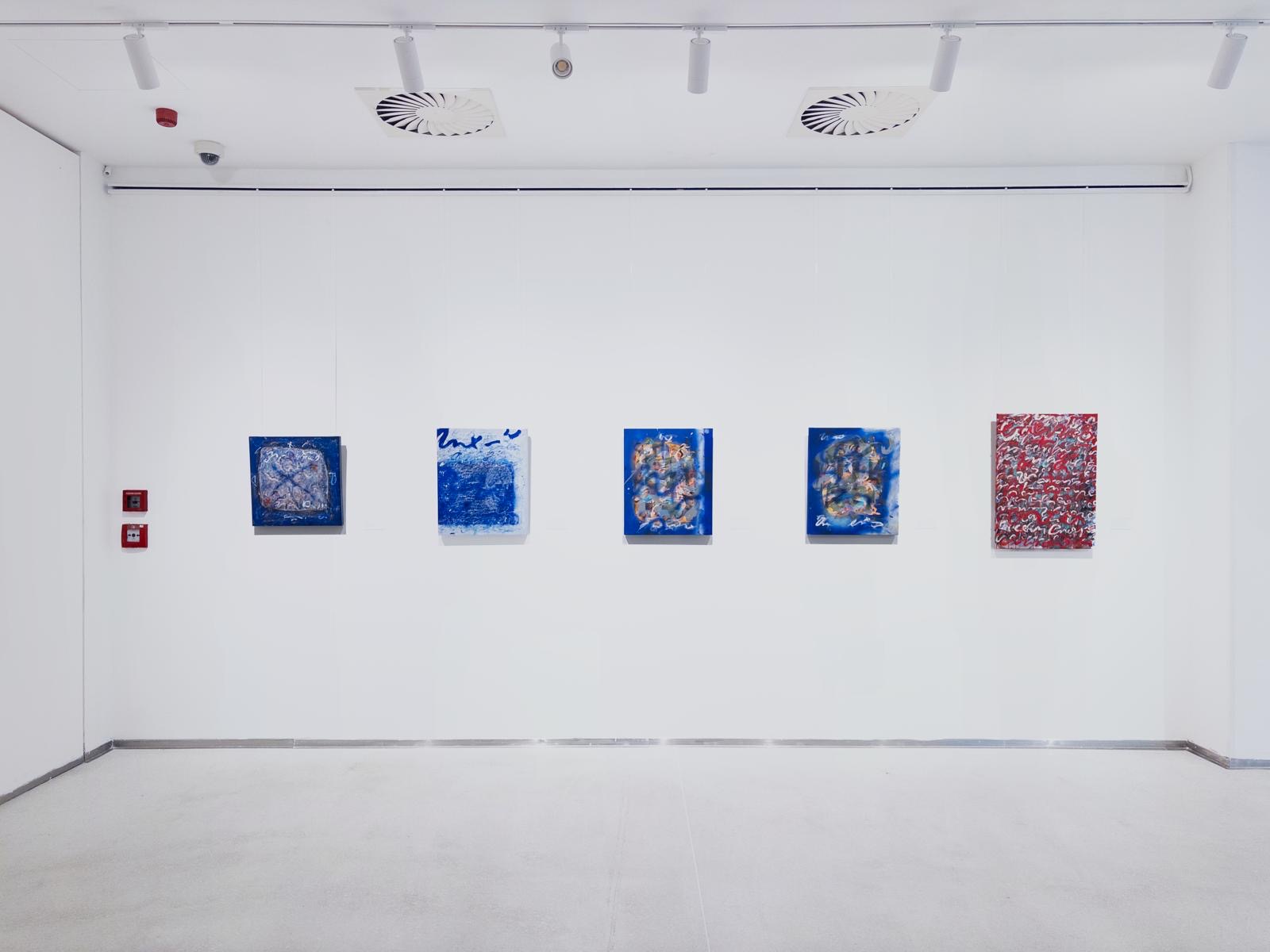
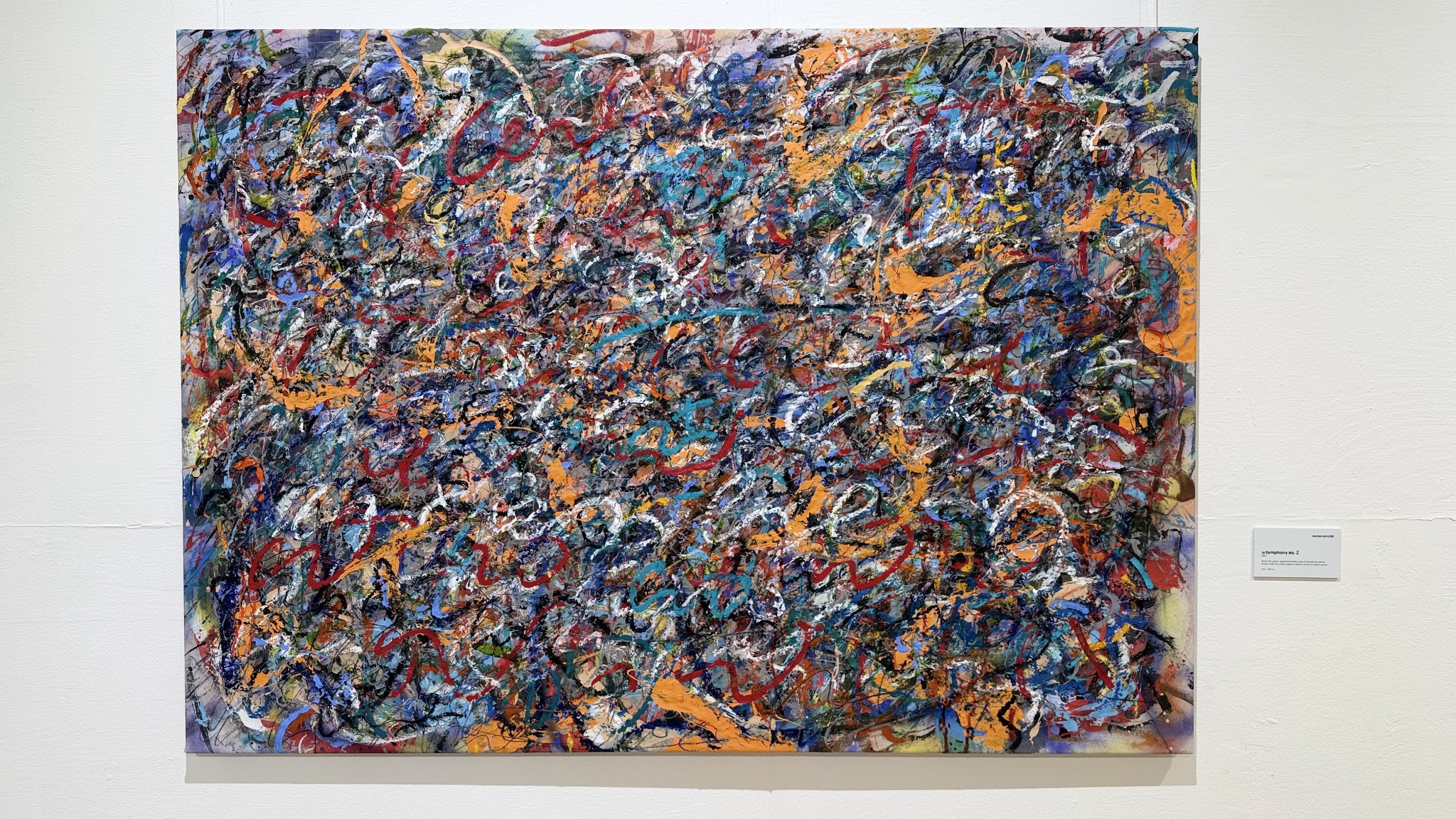
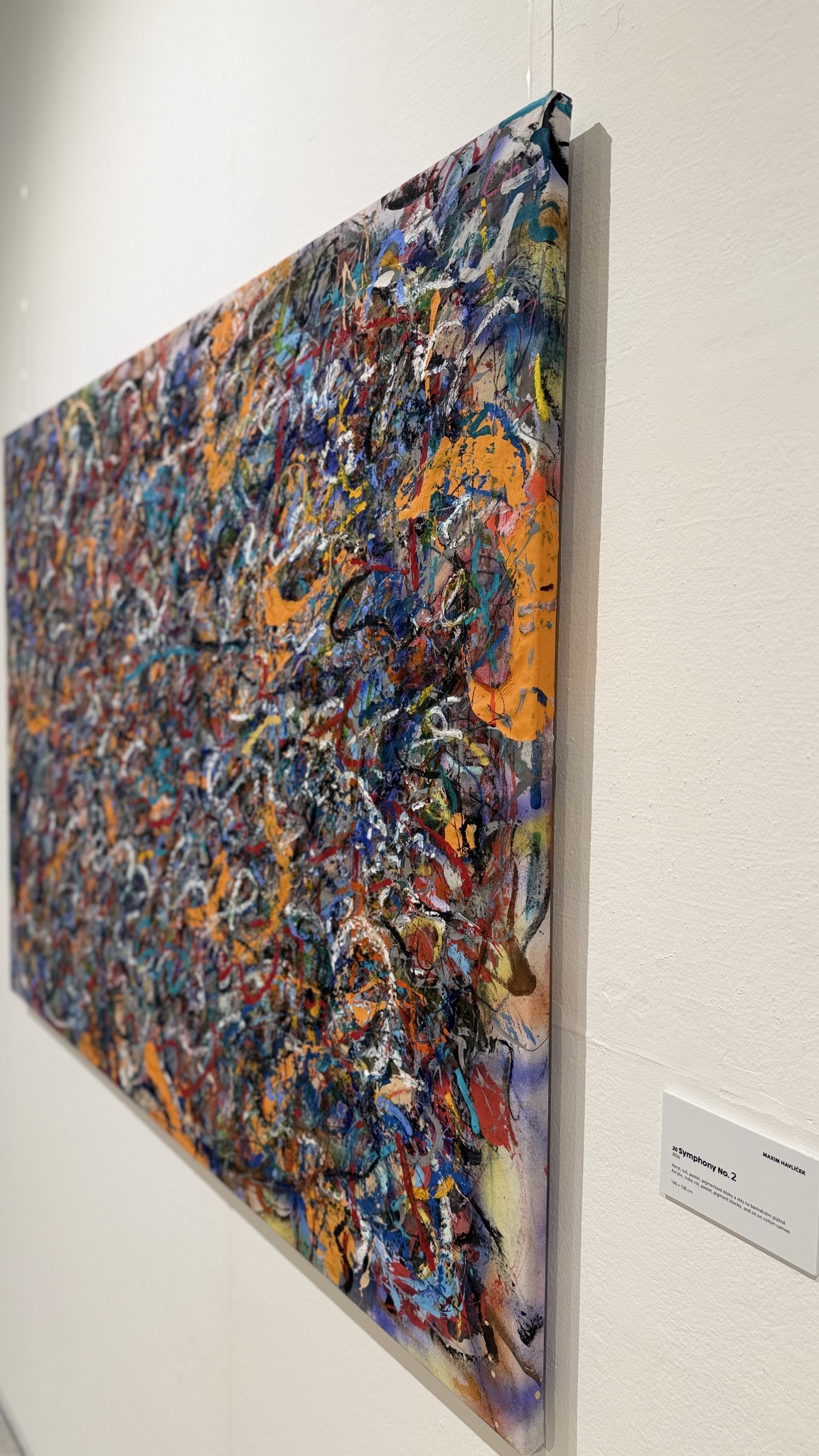
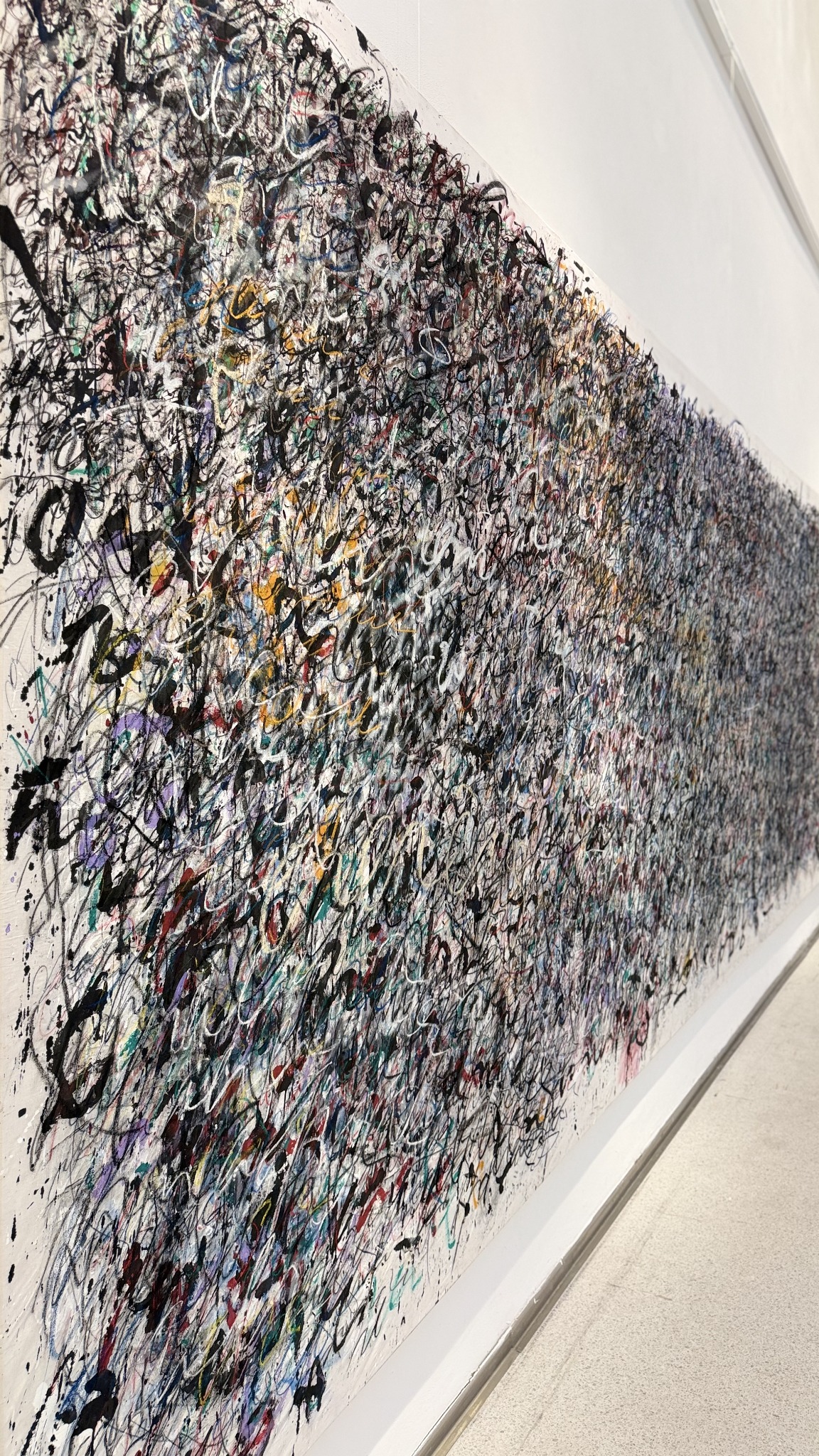
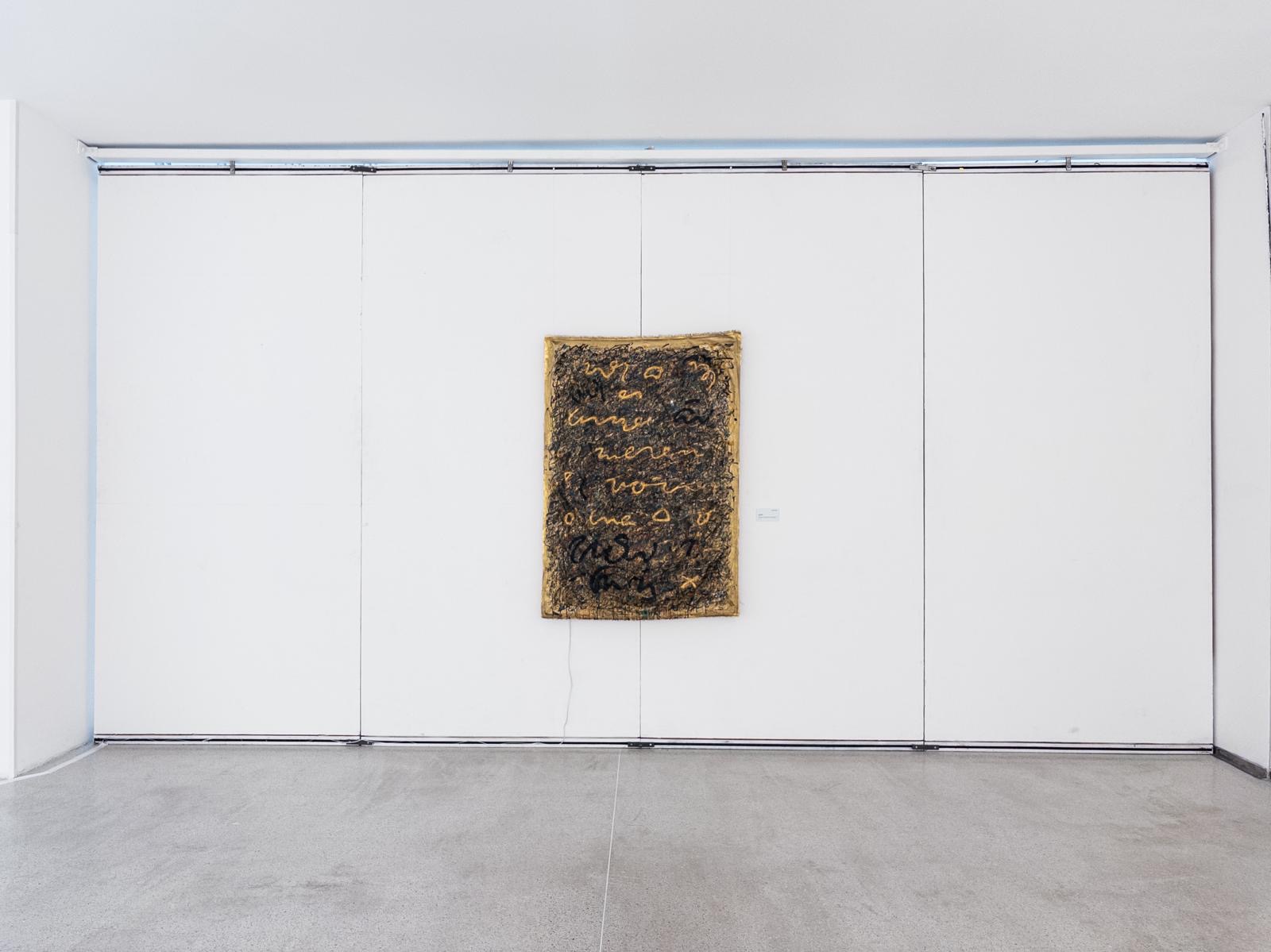
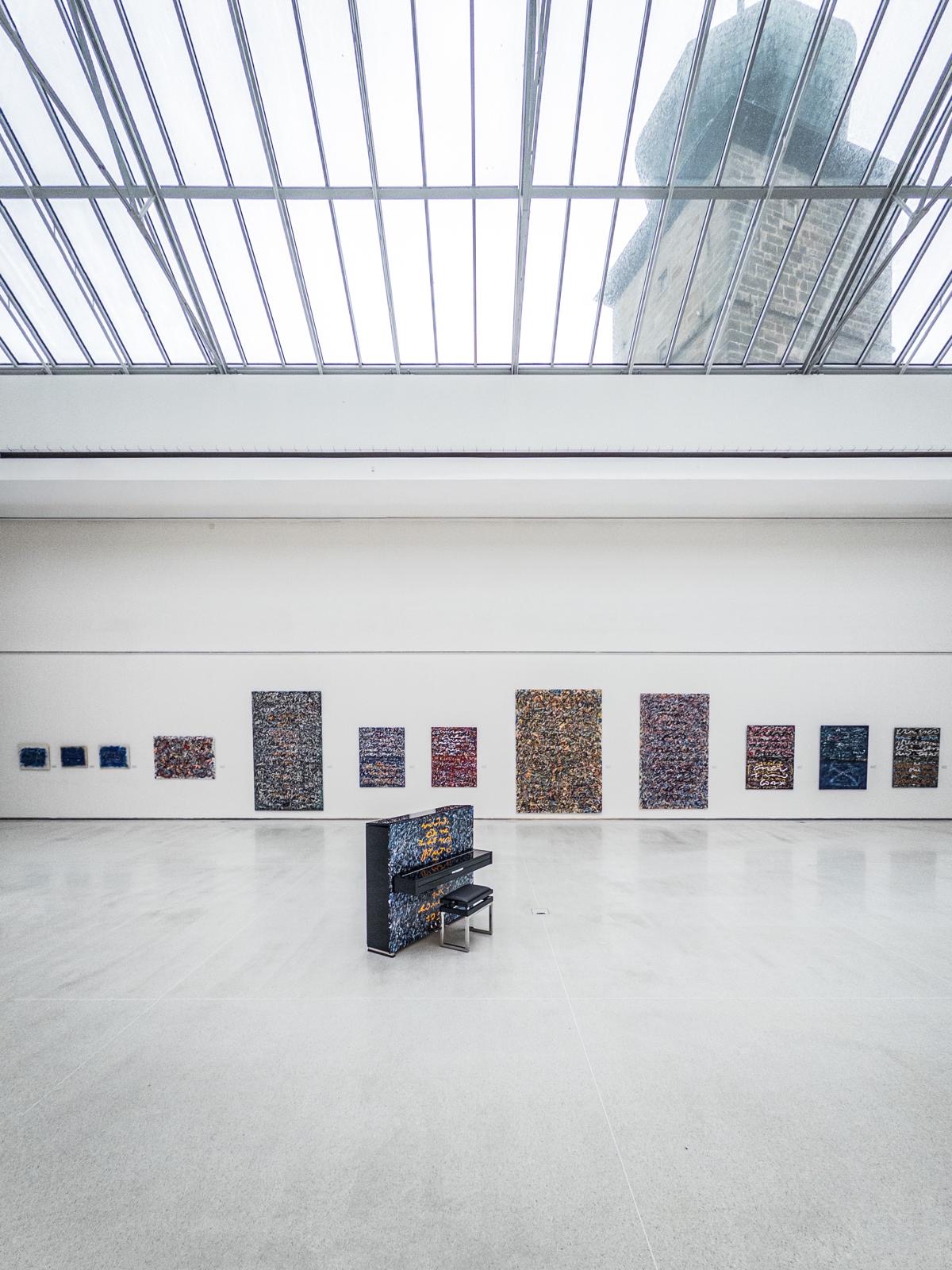
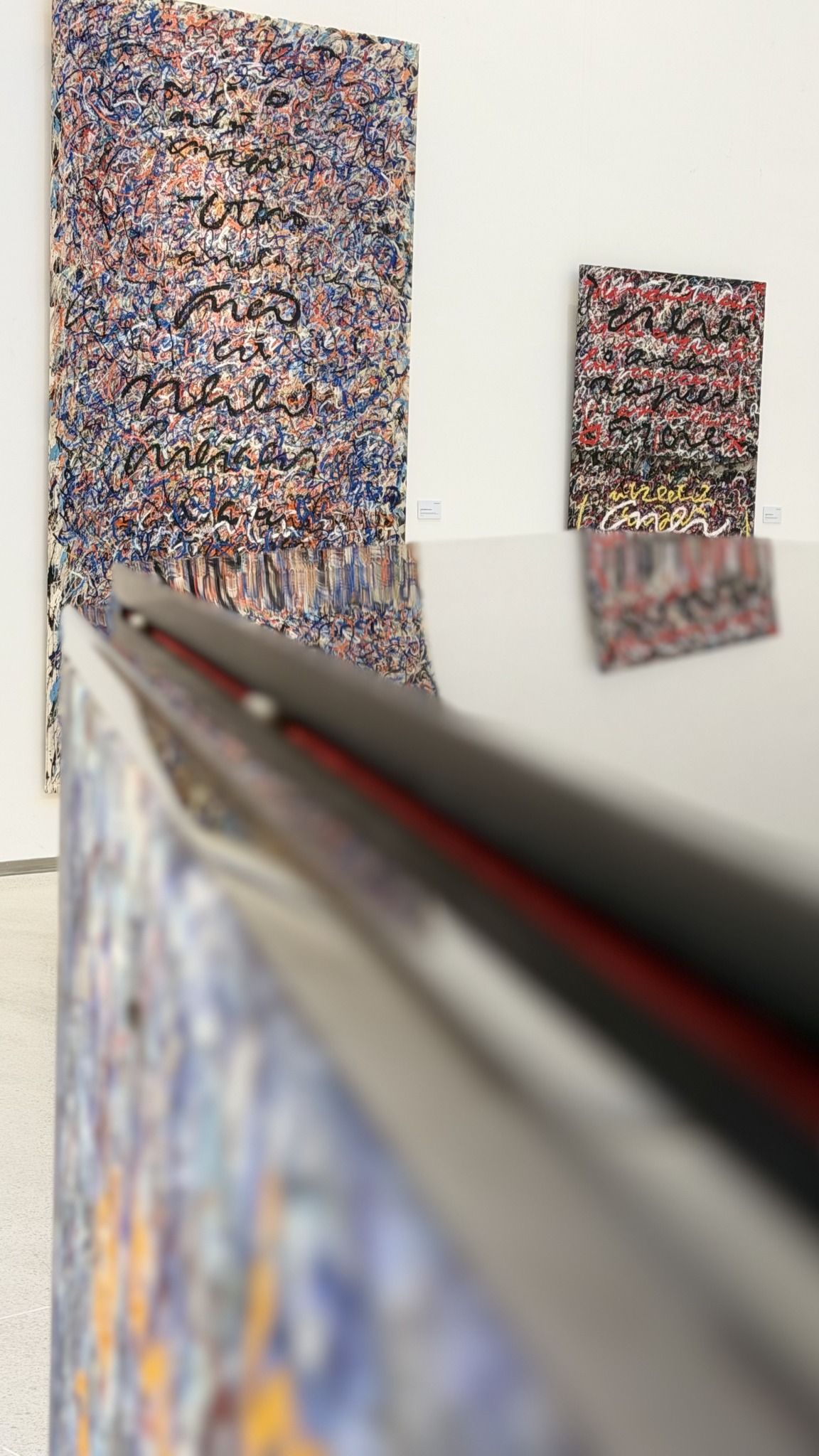
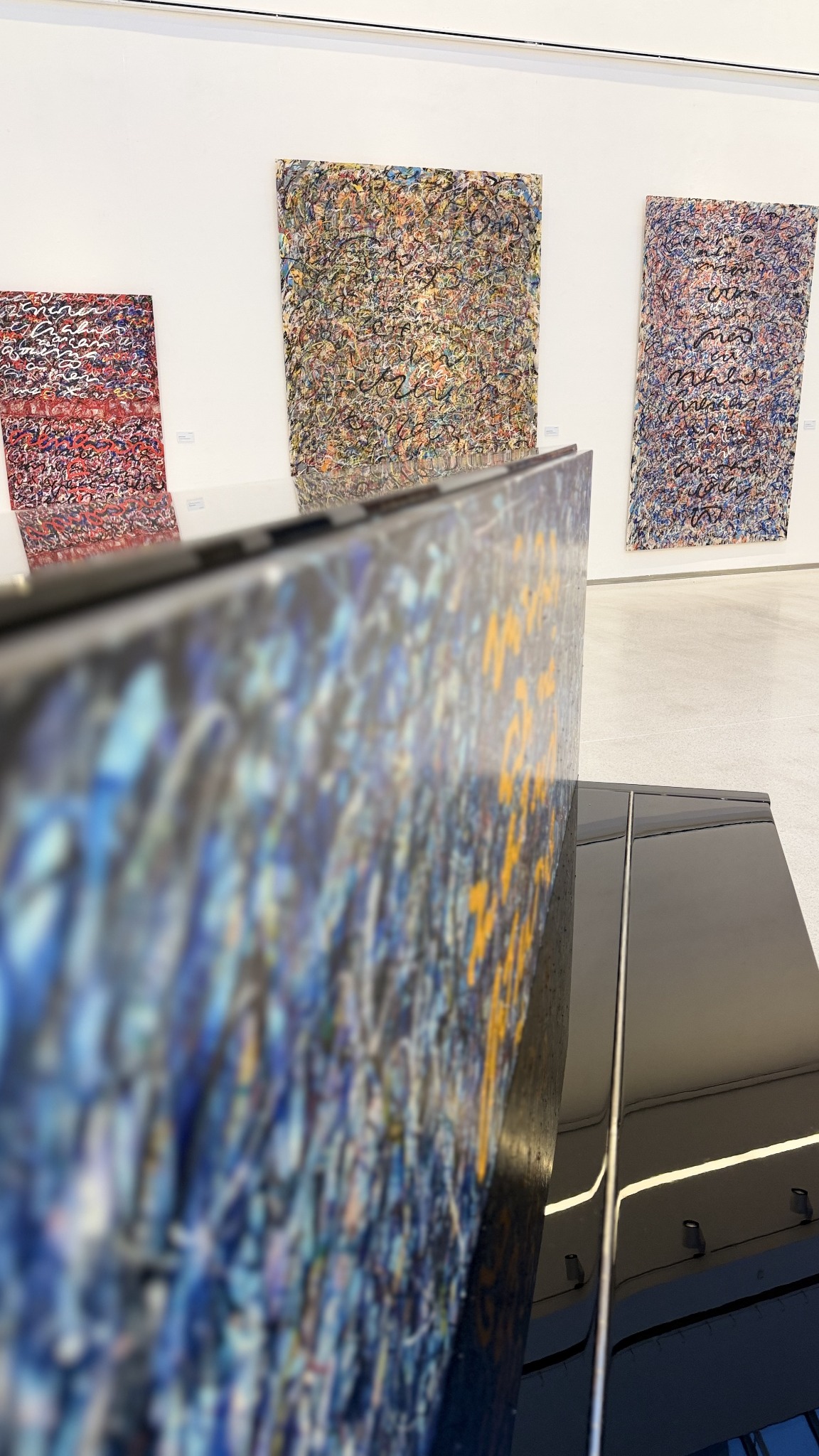
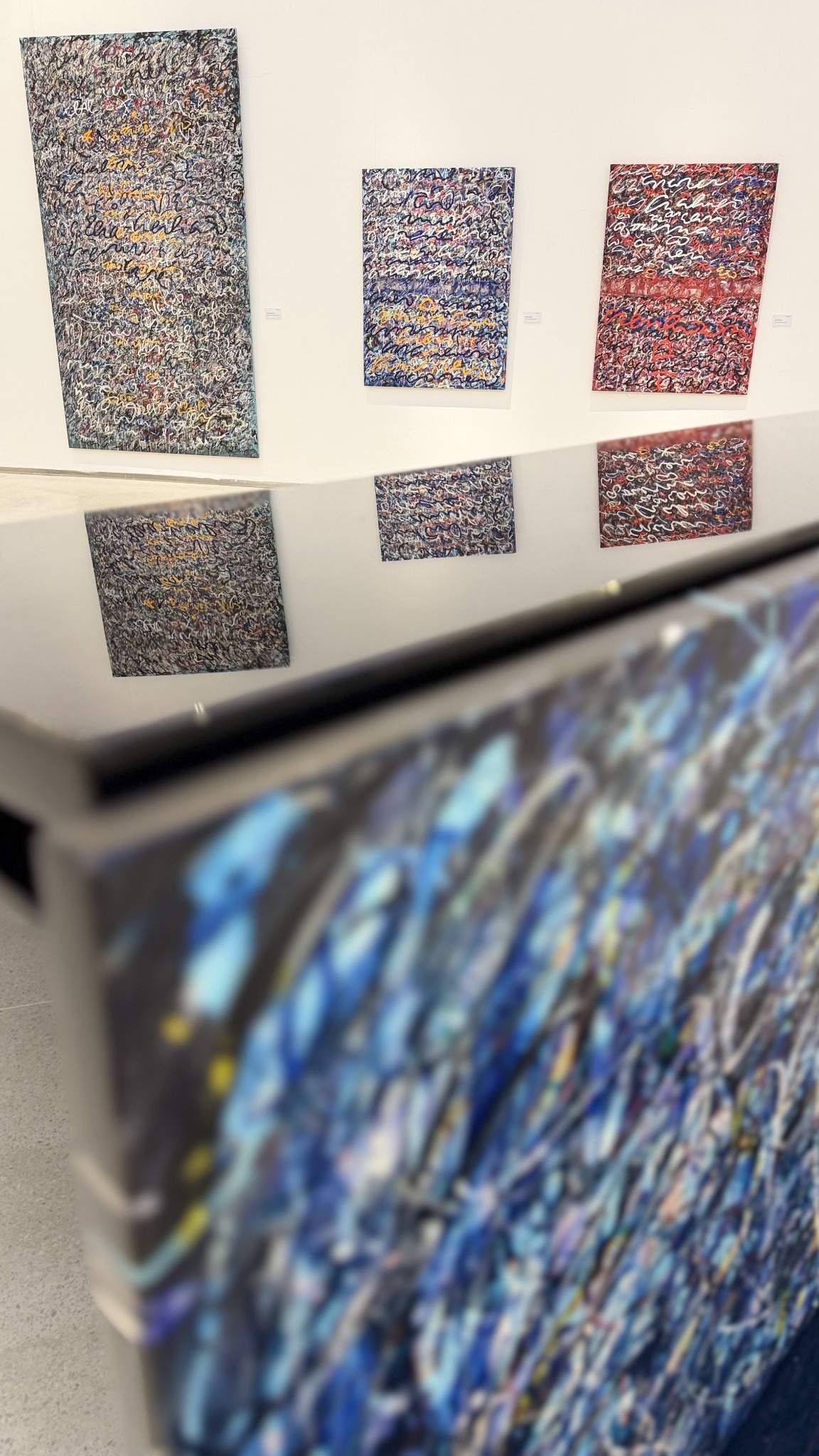
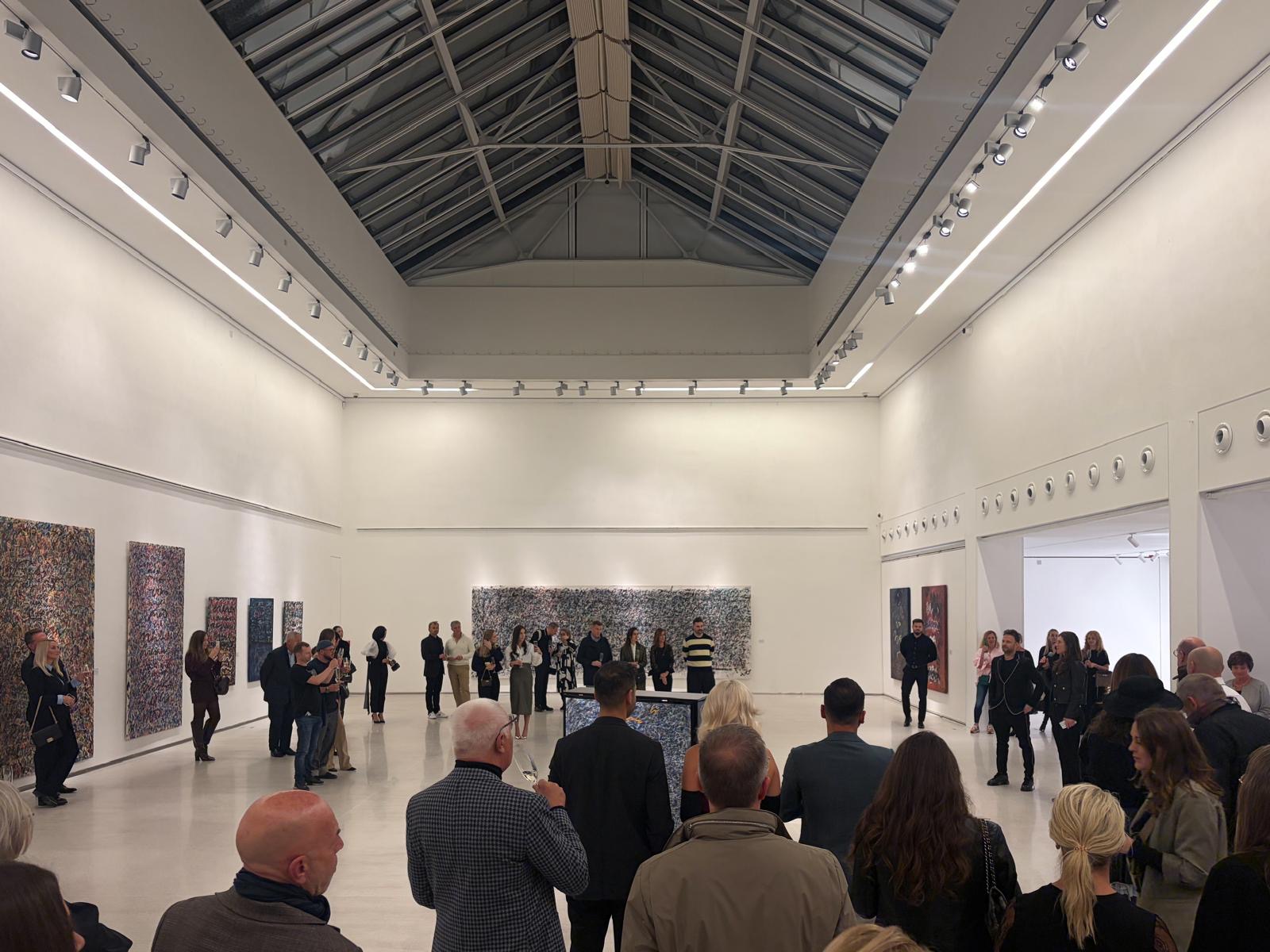
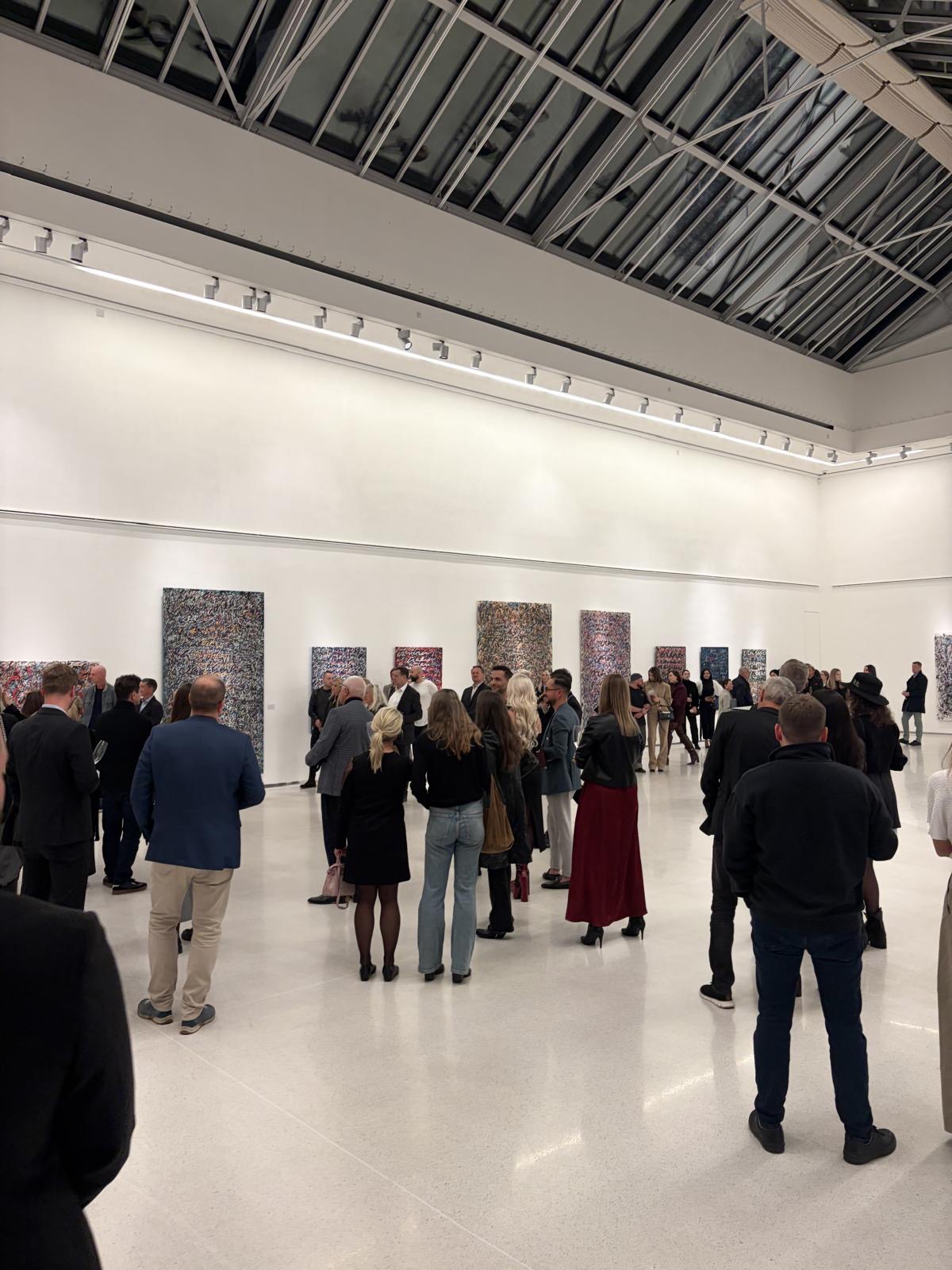
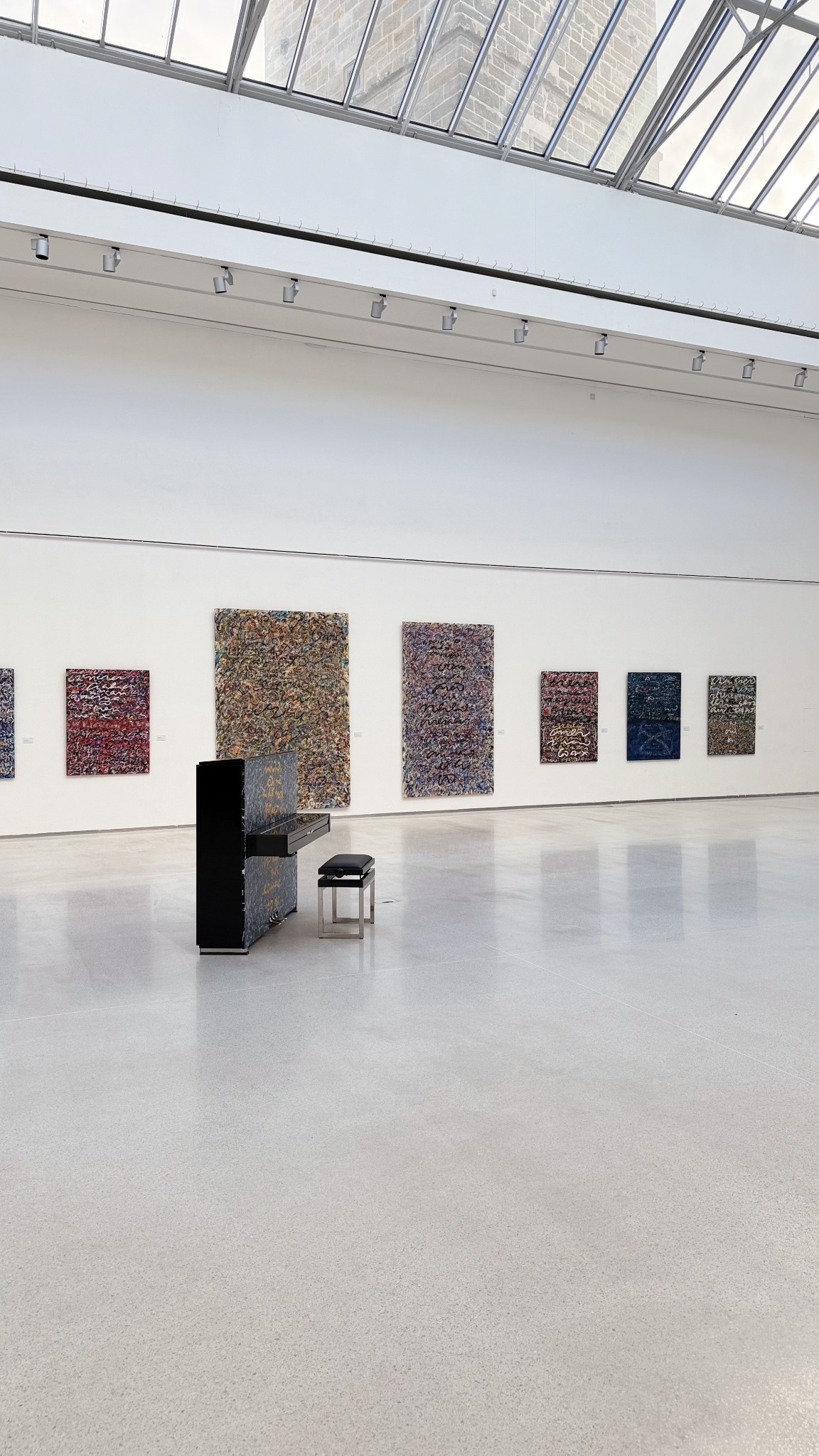
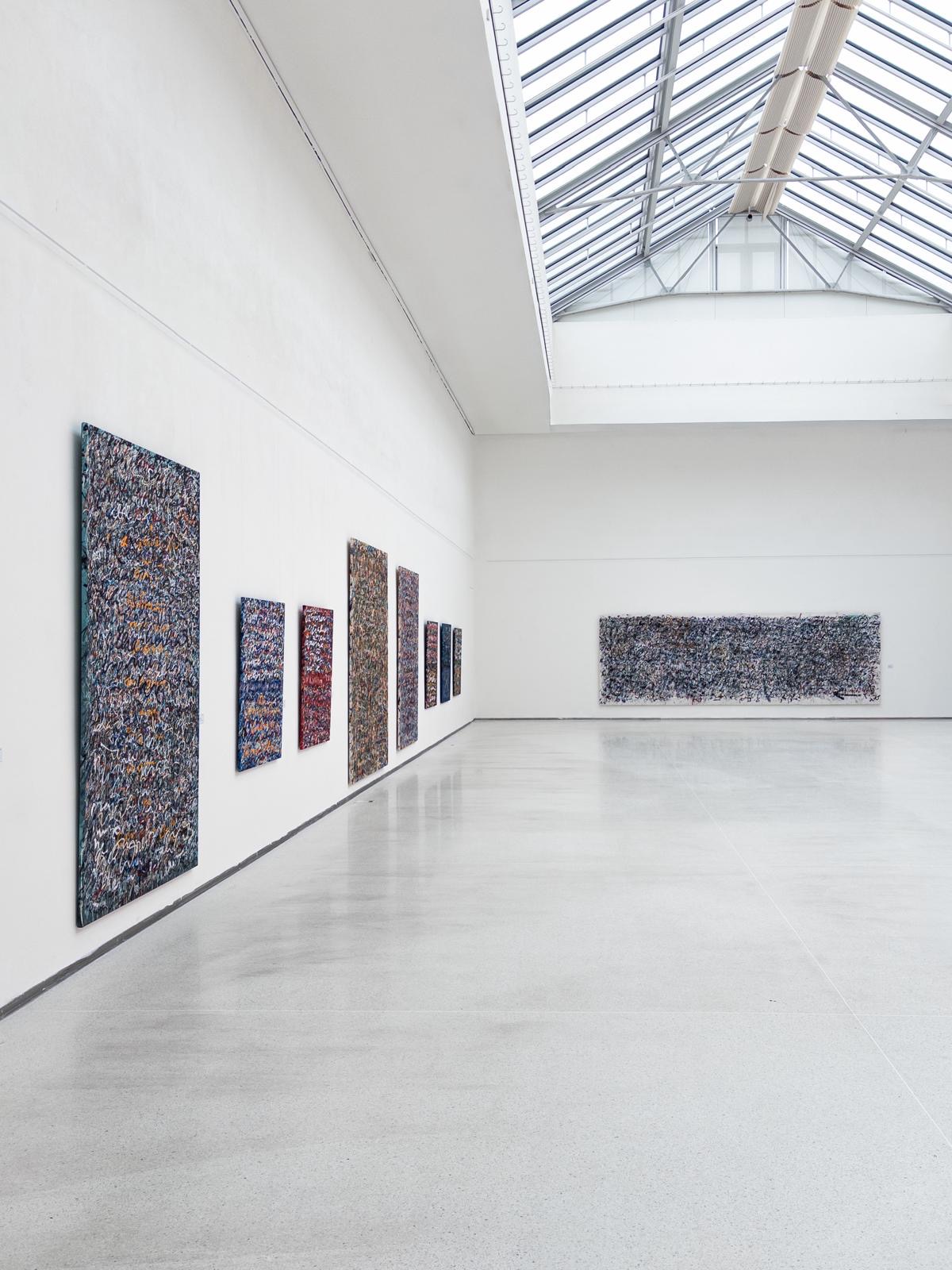
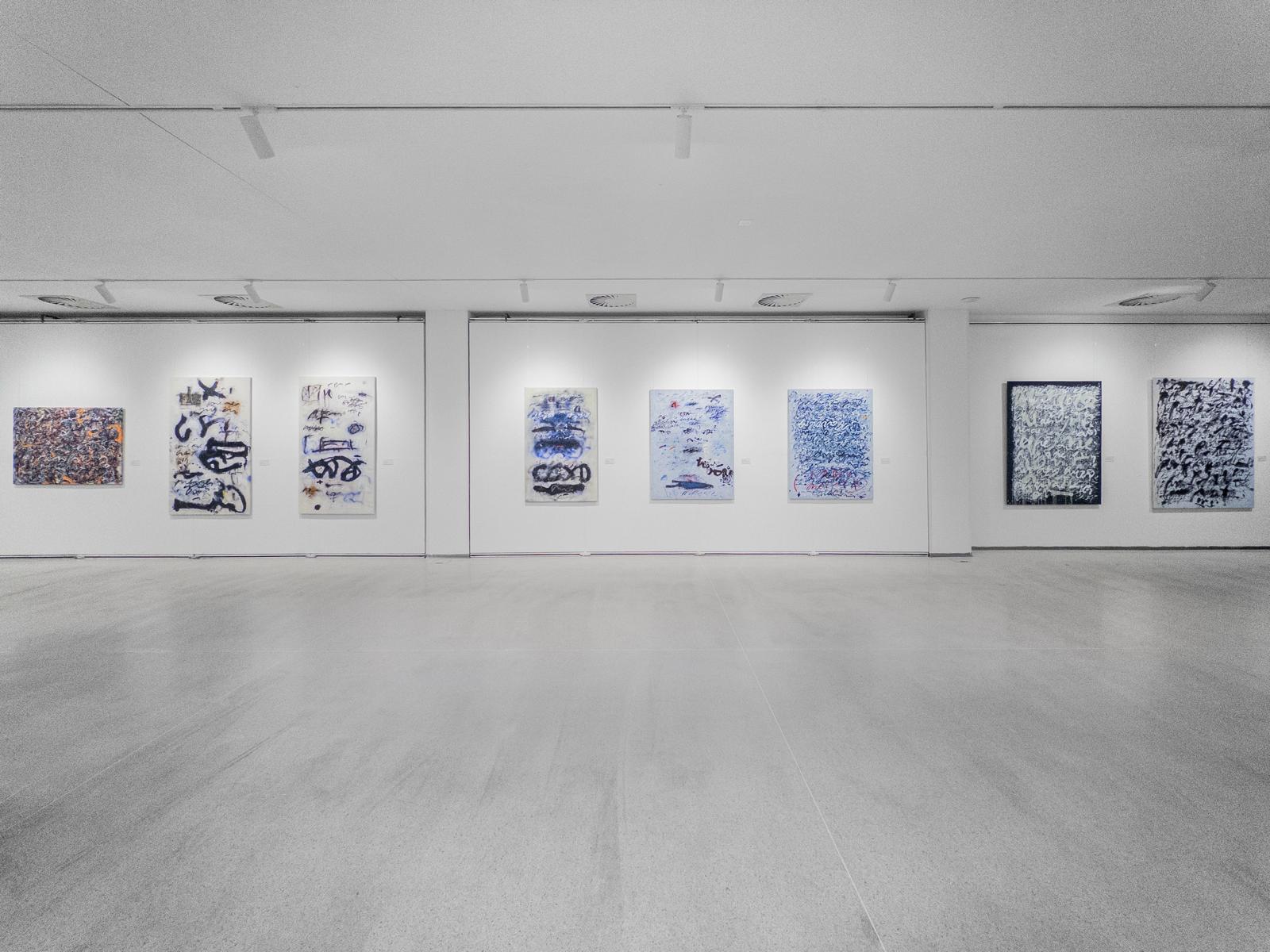
The Anima Mundi series begins with the recognition that every order is provisional, and every form holds only for a moment before it starts moving again. All-over compositions have been a prominent feature of abstract painting since the twentieth century, often as an expression of an inner impulse. In Havlíček’s work, each line responds to what is already on the canvas. One layer settles over another, each growing out of the last and laying the ground for the next, and so the field opens beyond the edge of the canvas and into time.
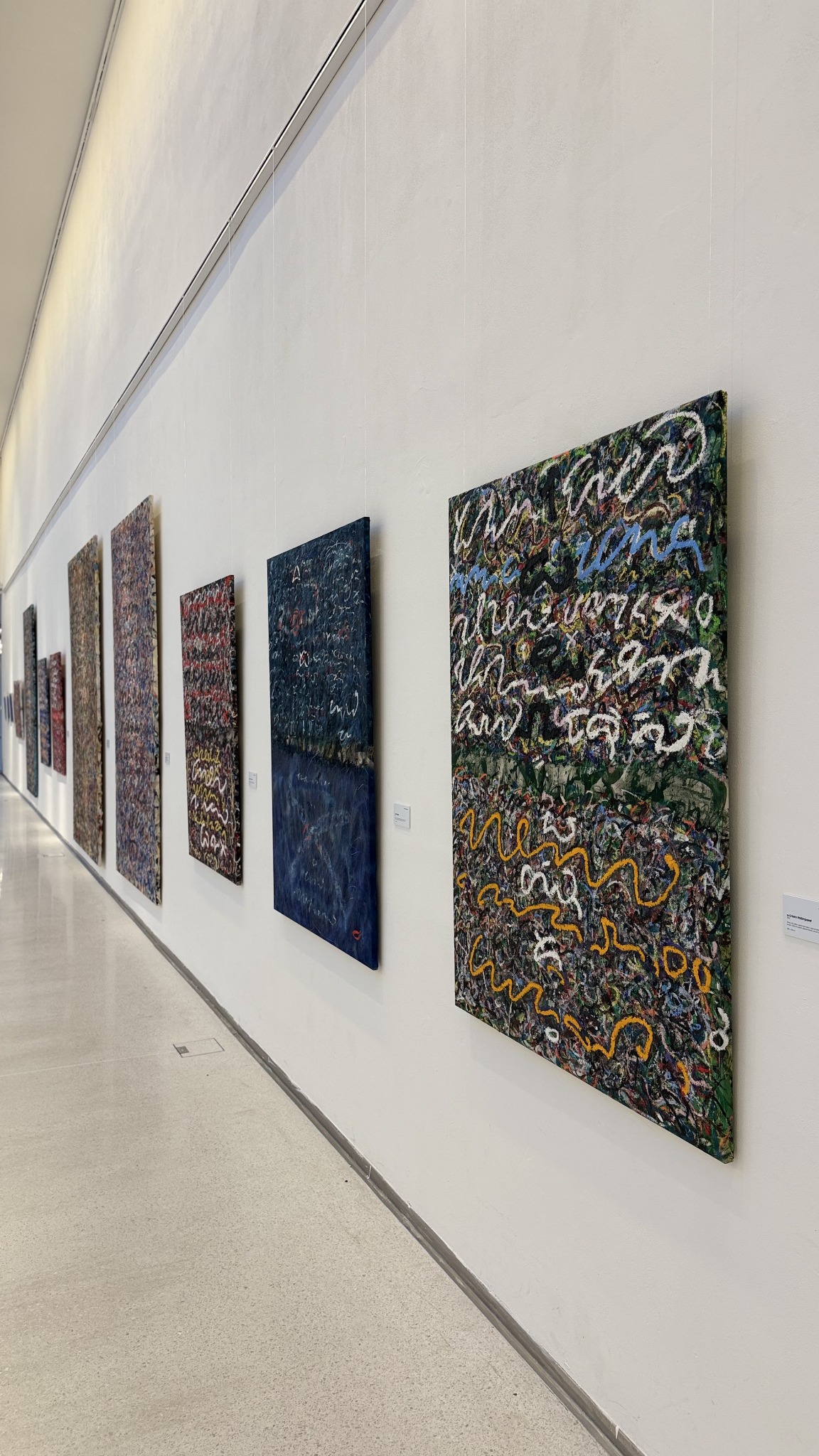
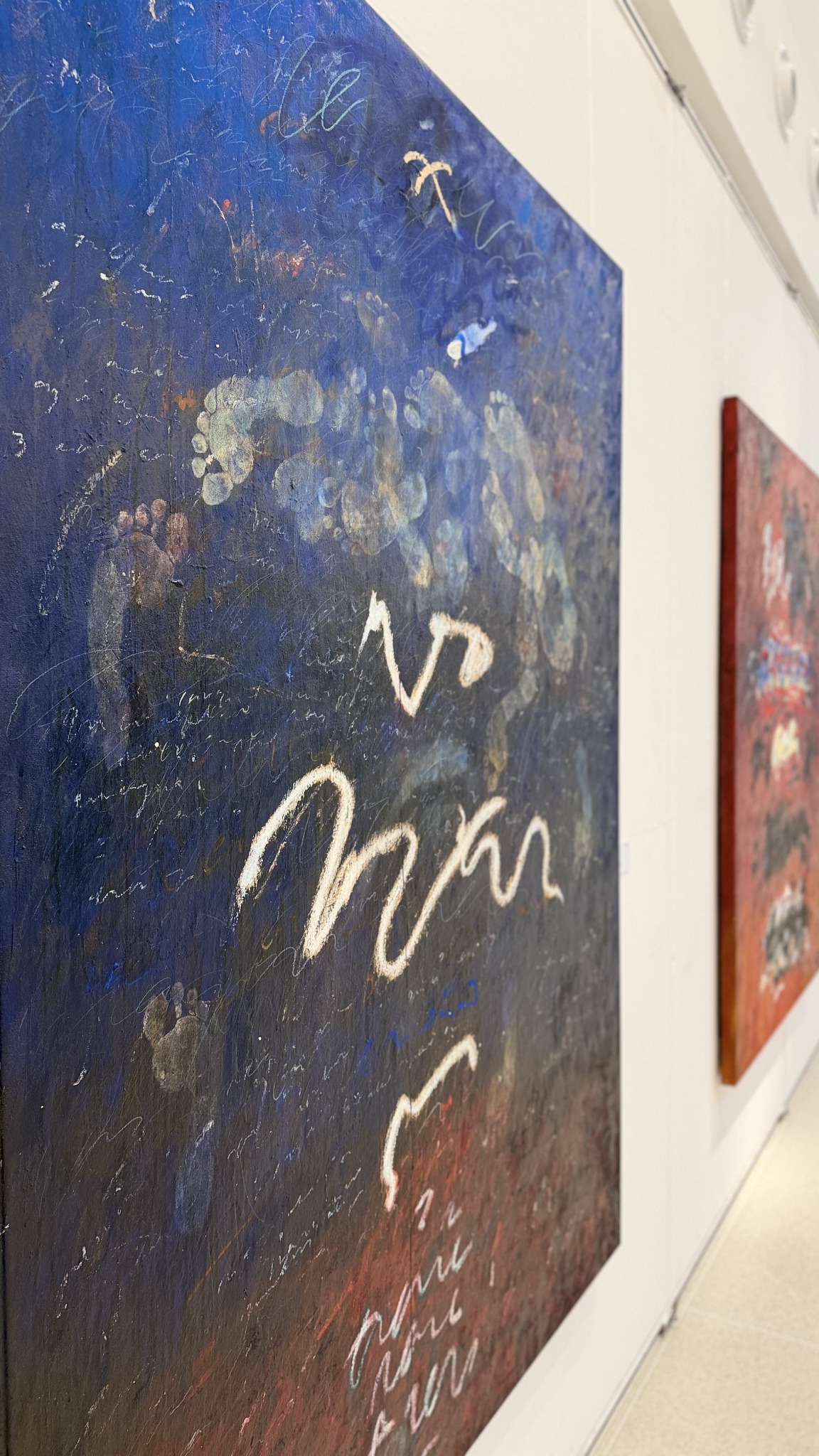
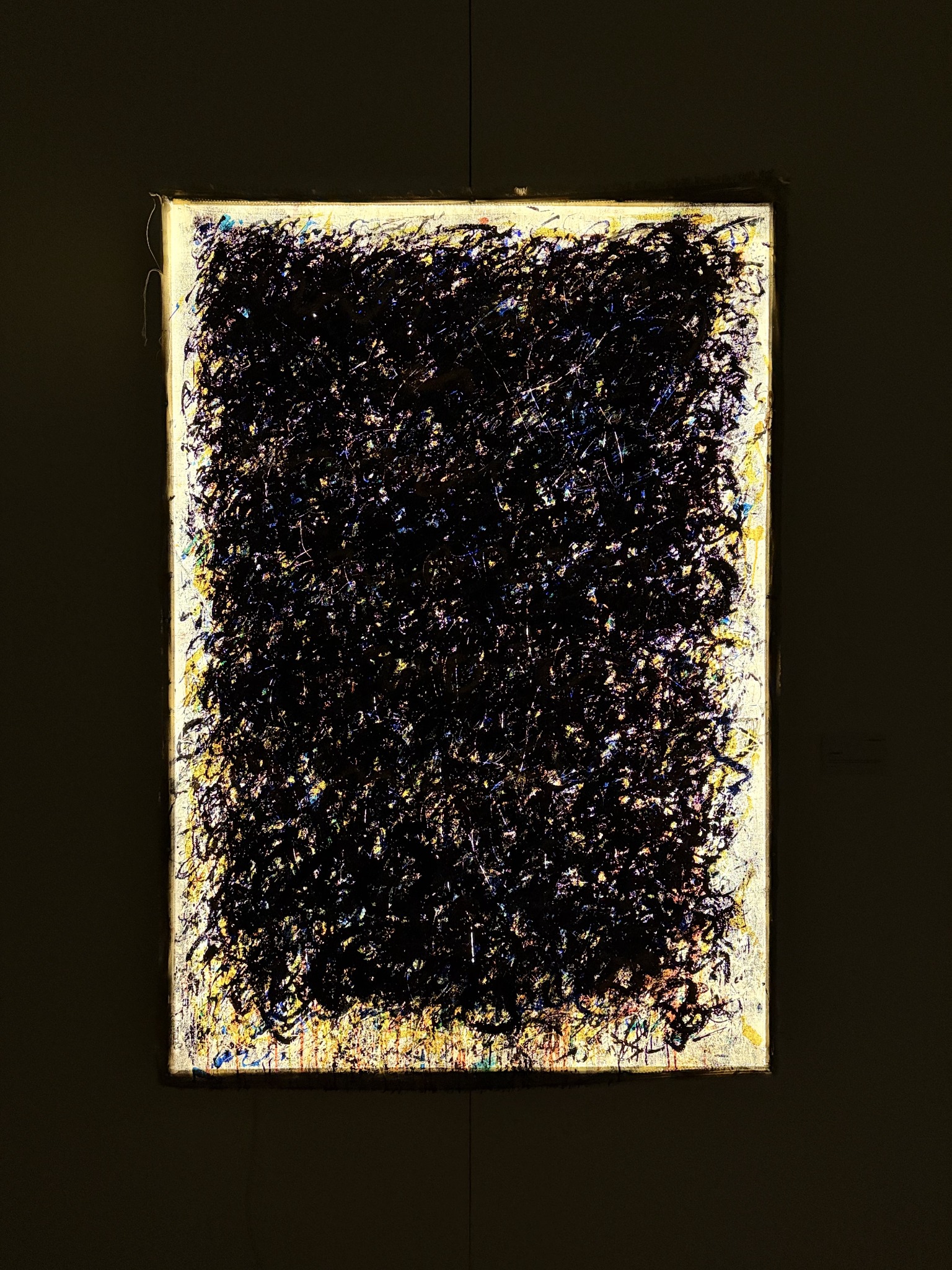
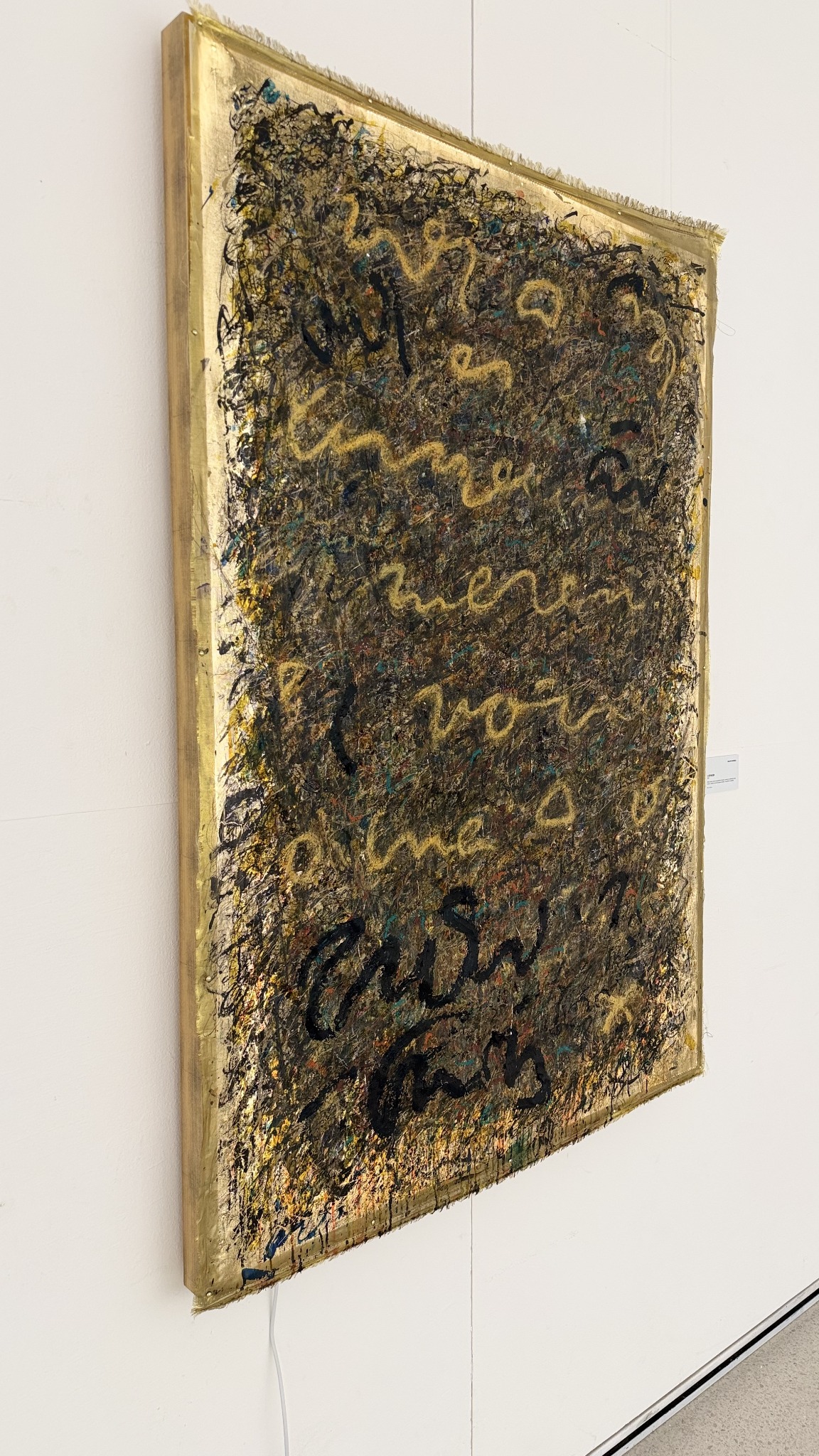
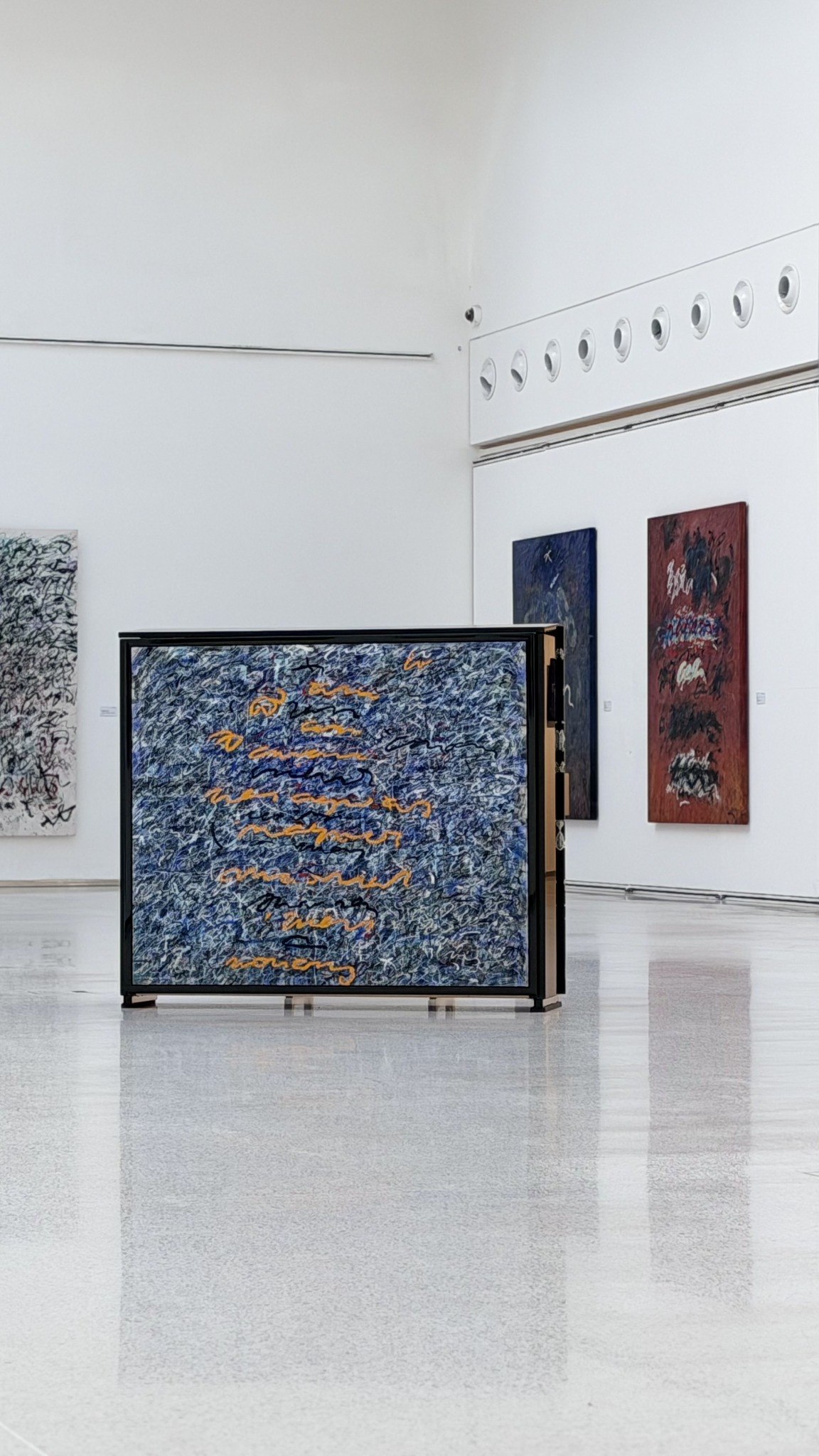
Some of the titles express this directly. Four paintings form the Palimpsest series, named after manuscripts in which an earlier text remains visible beneath a later one. Their grounds are green, red, blue and black, and each time it is the ground that decides which of the lines on top come to light. The Unsaid Between Us goes one layer deeper: underneath lies an older canvas Havlíček first painted in oil. He then paints over it in acrylic and scratches lines into it until the earlier picture breaks through.
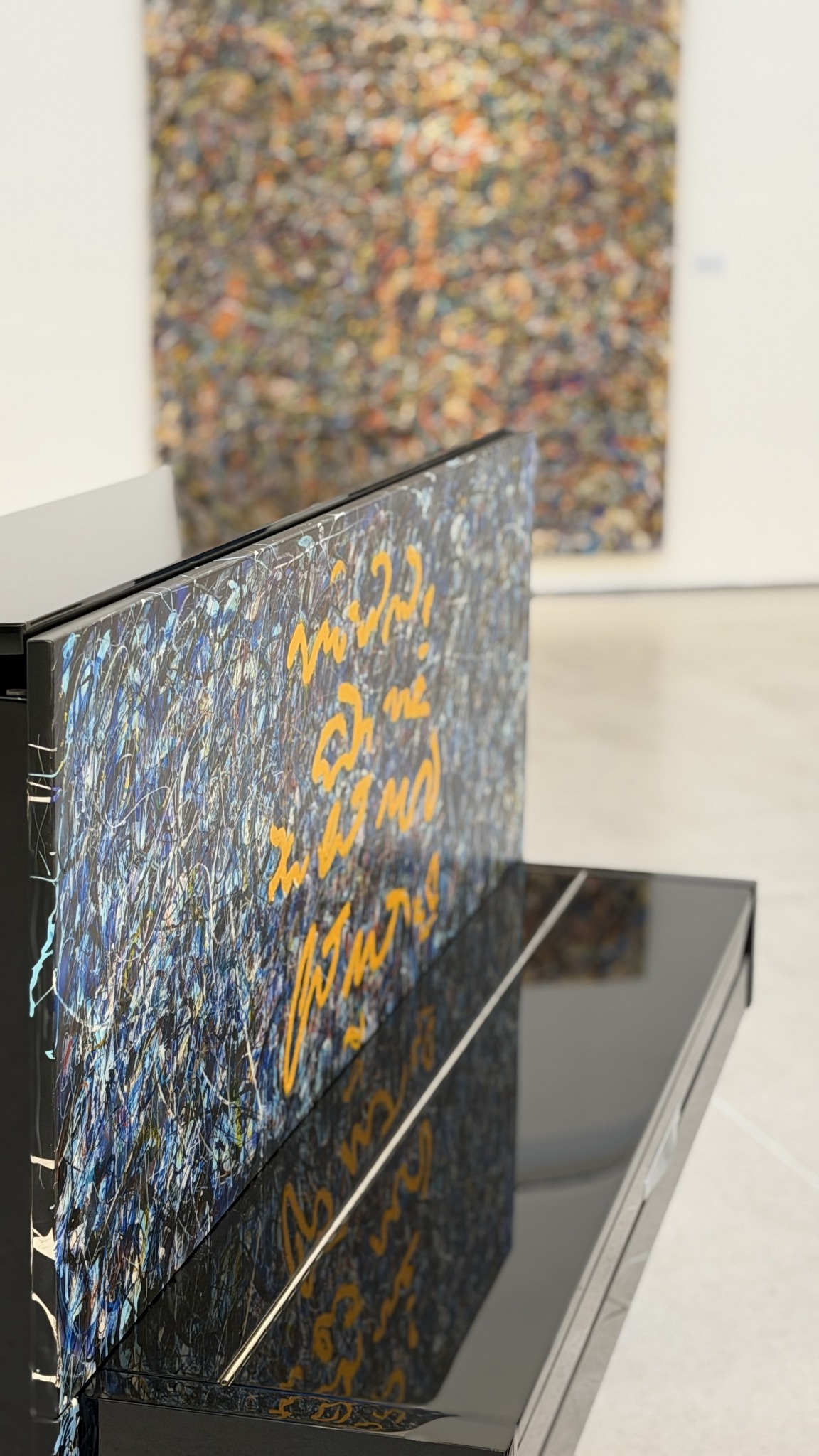
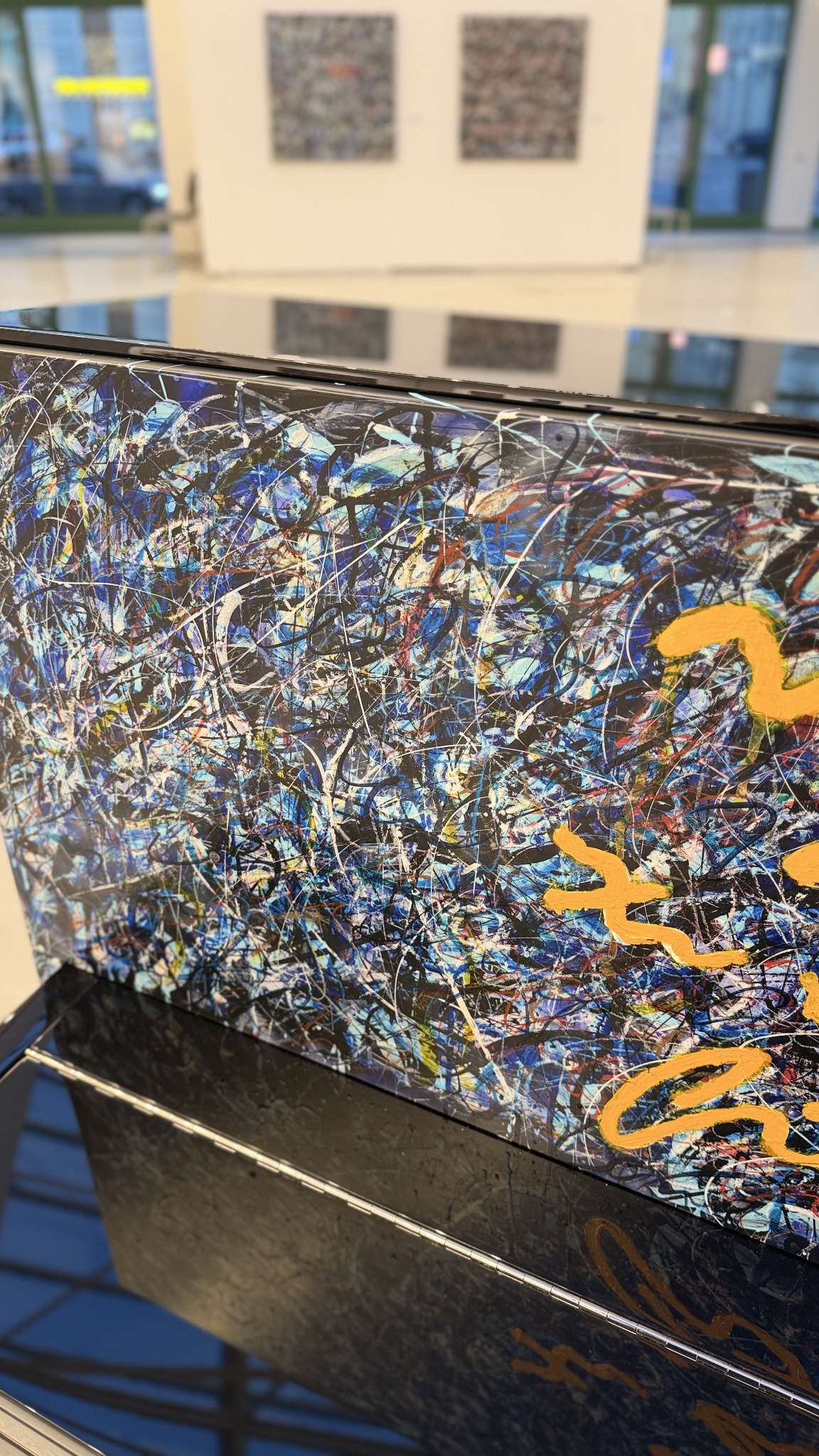
Through all these layers, the painter’s hand stays recognisable: in how the lines begin, thicken and loosen again, in a rhythm that runs through all his series, however much the materials and the look of the work may change.
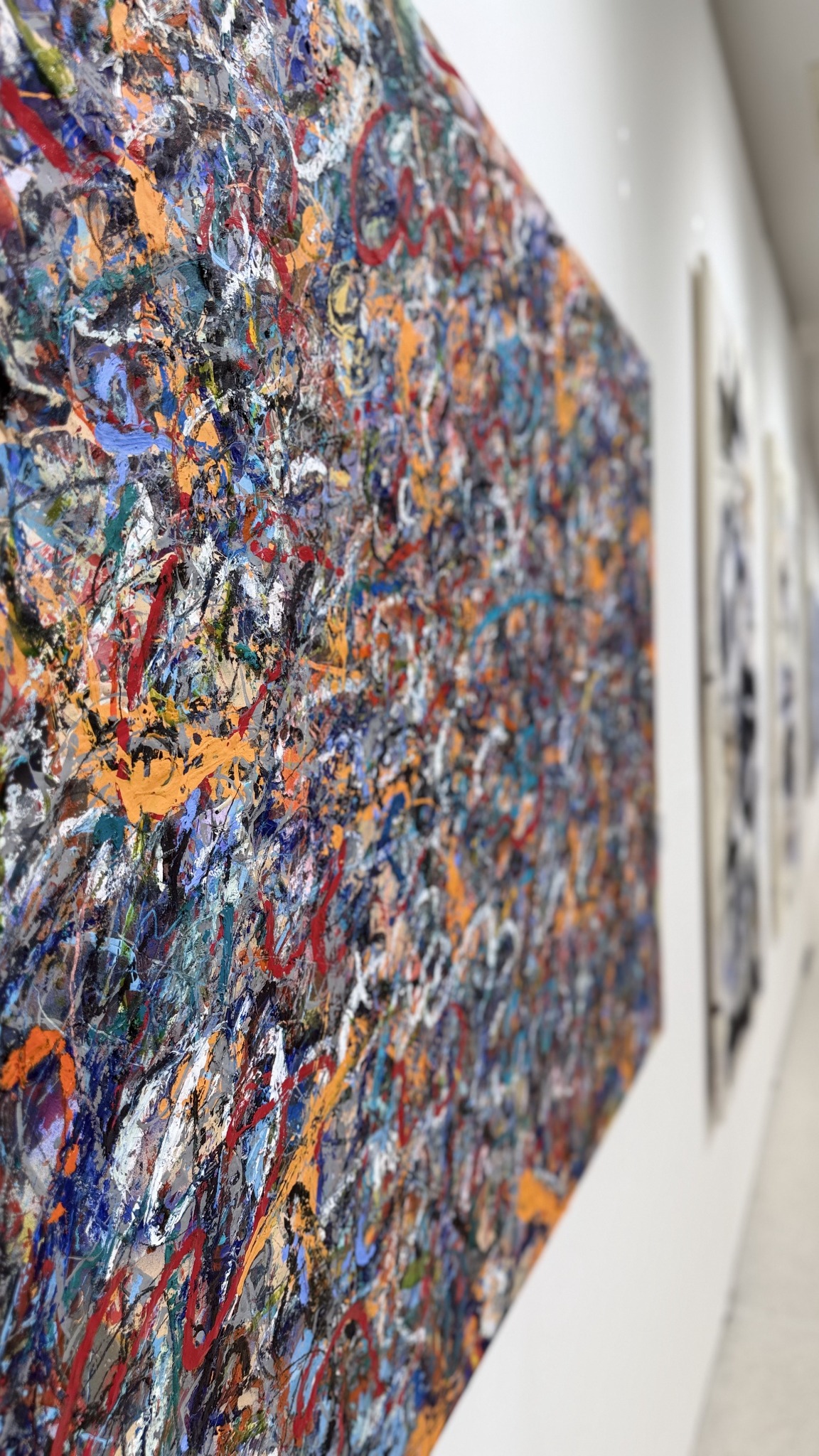
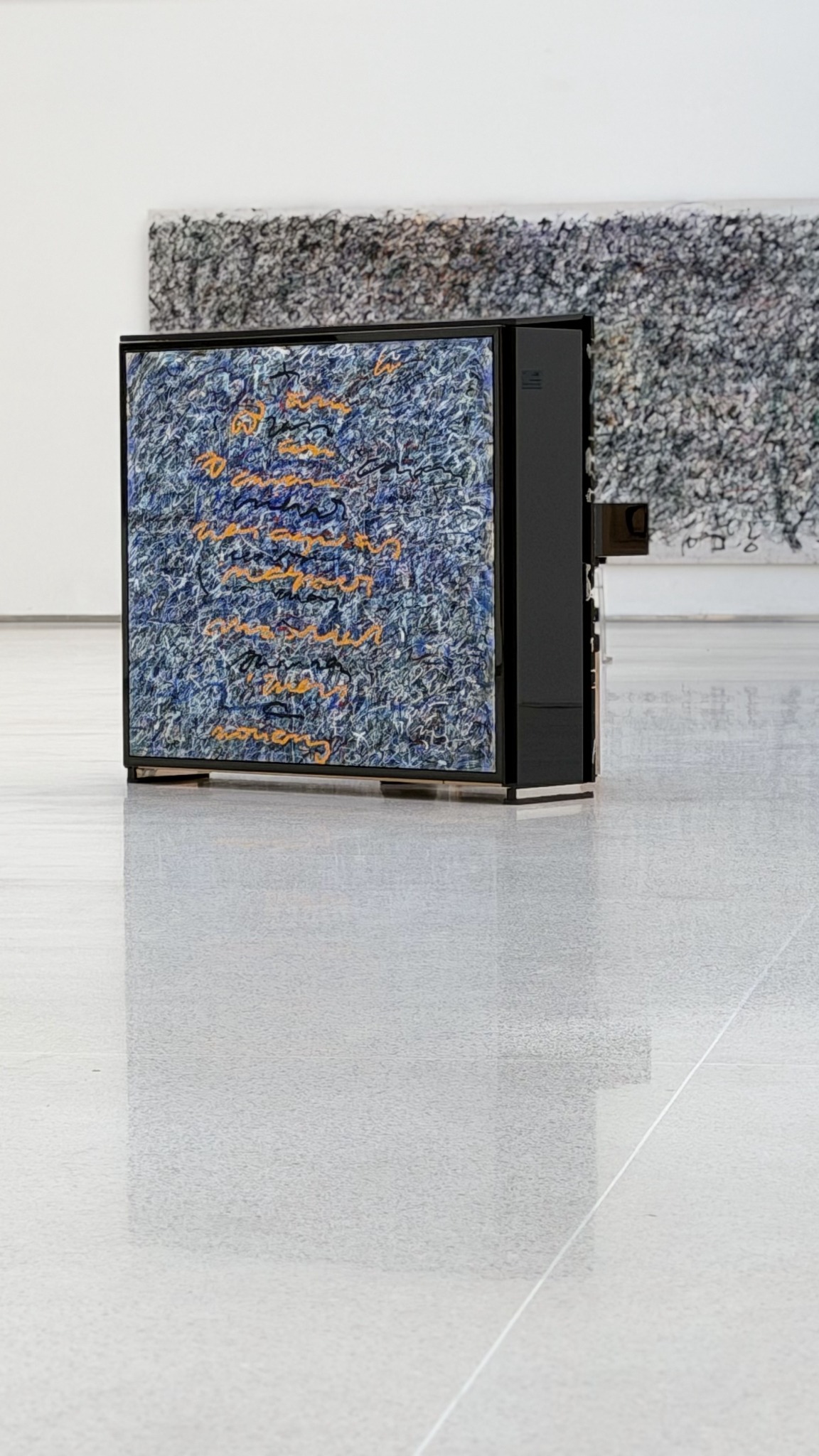
He paints on linen and cotton, on satin, polyester and bedsheets, and each fabric takes the paint in its own way. Shellac shines, pastel and pigment blocks stay matt. As the light changes and you move around, different layers come forward, and still the surface never falls apart.
What holds it together has an old name, and the title uses it: the world soul. From antiquity to Romanticism, thinkers kept returning to this idea to explain what holds a whole together. In these paintings, that cohesion comes about without a centre, purely from how the lines relate to one another.
The same tradition saw nature both as something that has come into being and as something continually coming into being. Havlíček’s paintings are both: a result you can stand in front of, and the trace of a process that does not stop with the last brushstroke.